
Audience: Parents/Caregivers , Other family members involved in childcare (e.g., grandparents/extended family) , Practitioners who support families (child psychologists, counselors, health/social service staff)
A short UNICEF parenting booklet explaining how birth order, age gaps, and gender shape sibling relationships, jealousy and rivalry, and offering practical ways parents can prevent conflict and support fair, healthy family dynamics.
Audience: Parents/Caregivers , Caregivers and close family involved in the child’s life , Frontline child/family support providers (psychologists, psychotherapists, child mental-health services)
A short UNICEF information booklet explaining how parental divorce affects children emotionally and behaviorally, and offering practical guidance to parents to reduce harm and support healthy adjustment.
Audience: Parents/Caregivers , Other close family members and early-childhood professionals , Programme implementers and institutions promoting “positive parenting” resources (e.g., UNICEF/partners, child well-being services) who can distribute/endorse the material.
A short parenting guide explaining what confident behavior is, what hinders a child’s self-confidence, and practical steps caregivers can use to build confidence, communication, independence, and safety.
Audience: Parents/Caregivers , Other family members and early childhood caregivers , Child health/early childhood professionals and programme stakeholders
A UNICEF-style parenting booklet explaining why children collect “treasures” (small found objects), linking it to autonomy and cognitive development, and guiding adults to respond supportively while keeping play safe.
Audience: Parents/Caregivers , Adolescents/older children (as readers) and family members /other caregivers , Professionals who support families—teachers, counsellors, social workers/child-protection actors, and health/mental-health educators who may use it for guidance.
A short educational booklet explaining why children need privacy, dignity and personal space, what harmful “over-control” looks like, and how parents can balance supervision with trust and respect.
Audience: Mothers/expecting mothers , Husbands/partners and other immediate family members , Employers and workplace managers
UNICEF Belarus booklet guiding women on balancing motherhood and career, exploring different choices, challenges, and practical solutions while highlighting family support, childcare options, and personal priorities for well-being.
Audience: Parents/Caregivers , Extended family members , Pediatric/primary healthcare staff, Health educators
A UNICEF and Ministry of Health booklet guiding parents and caregivers on supporting early childhood development through communication, responsive interactions, daily routines, reading, play, encouragement, and positive parenting practices.
Audience: Parents/Caregivers , Kindergarten/pre-school teachers, childcare providers, and early childhood facilitators , Health and child-development/parenting support system
A UNICEF and Belarus Ministry of Health booklet for parents/caregivers on games for children aged 3–7, highlighting how play supports development and providing simple activities to build learning, confidence, problem-solving, and school readiness.
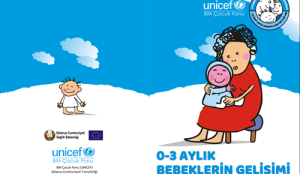
Audience: Parents, Caregivers , Healthcare professionals, Pediatricians , Programme/system-level stakeholders who support early childhood and developmental monitoring
A UNICEF and Belarus Ministry of Health illustrated handout for parents/caregivers of 0–3 month-old babies, covering early visual, hearing, emotional, communication and motor development, along with risk factors and warning signs.
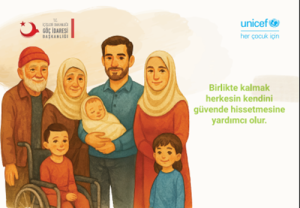
Audience: Parents/Caregivers , Children, including children with disabilities , NGO staff, child protection workers, legal aid/immigration support providers.
Parenting tip cards guiding families in emergencies/return journeys on safety, documentation, routines, emotional support, caregiving, child protection, disability-sensitive care, and continued learning.