
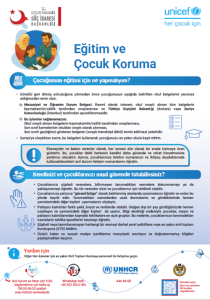
Audience: Parents/Caregivers , Children and adolescents returning to Syria , NGO staff, legal aid/bar associations, education and protection service providers.
The material guides parents returning to Syria on required school documents, child school enrolment, family safety, mine-risk awareness, and emergency support contacts.
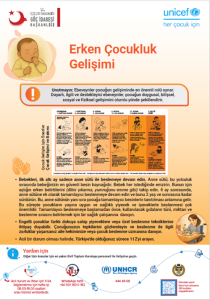
Audience: Parents/Caregivers , Children (indirect) , Health workers, NGO staff, early childhood facilitators.
A poster providing caregivers with guidance on breastfeeding, feeding practices, play, communication, and age-wise activities to support children’s early development during and after return journeys.
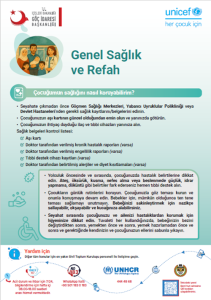
Audience: Parents/Caregivers , Children (indirect beneficiaries) , Health workers, NGO staff, migration support staff.
A health-focused poster guiding families to protect children’s health during travel through vaccination, hygiene, medical preparedness, symptom recognition, and maintaining routines.
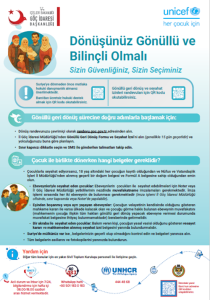
Audience: Syrian families considering voluntary return. Viewers of this file can see comments and suggestions , Parents/caregivers returning with children , NGO staff, legal aid providers, migration officials, child protection workers.
A poster guiding Syrian families on voluntary return steps, child travel documents, legal advice, appointments, border planning, and emergency/help contacts.
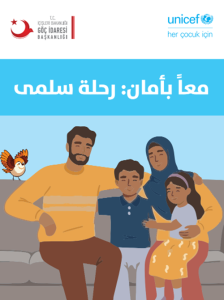
Audience: Children (6–12) , Parents/caregivers , Teachers, NGO facilitators, child protection workers.
A child-friendly comic showing Salma’s journey, focusing on safety, family unity, emotional reassurance, documentation readiness, and seeking help during migration/return.
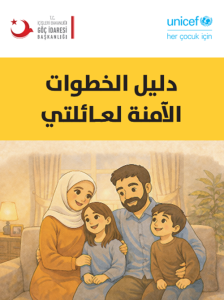
Audience: Parents/Caregivers , Children and family members , NGO workers, social workers, teachers, legal/support service providers.
A pocket guide helping Syrian families protect children, stay safe during return, continue learning, prepare documents, identify danger, and access emergency support.
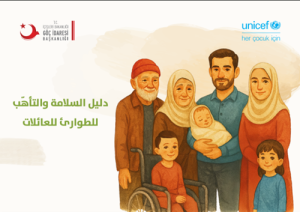
Audience: Parents/Caregivers , Children, including children with disabilities , NGO staff, child protection workers, legal aid/immigration support providers.
Parenting tip cards guiding families in emergencies/return journeys on safety, documentation, routines, emotional support, caregiving, child protection, disability-sensitive care, and continued learning
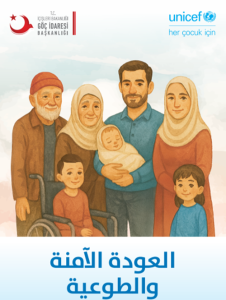
Audience: Syrian refugee/returnee families in Türkiye considering voluntary return to Syria , Children, adolescents, elderly people, and persons with disabilities in returning families , NGOs, legal aid providers, health/education staff, migration authorities.
A practical booklet guiding Syrian families in Türkiye on safe voluntary return, covering documents, legal advice, child education, health, safety, disability needs, and support services.
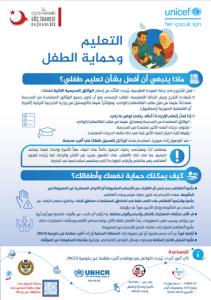
Audience: Parents/Caregivers , Children and adolescents returning to Syria , NGO staff, legal aid/bar associations, education and protection service providers.
The material guides parents returning to Syria on required school documents, child school enrolment, family safety, mine-risk awareness, and emergency support contacts
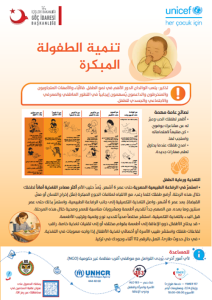
Audience: Parents/Caregivers , Children (indirect) , Health workers, NGO staff, early childhood facilitators.
A poster providing caregivers with guidance on breastfeeding, feeding practices, play, communication, and age-wise activities to support children’s early development during and after return journeys.