
Browse resources by the Social and Behaviour Change (SBC) level they target.
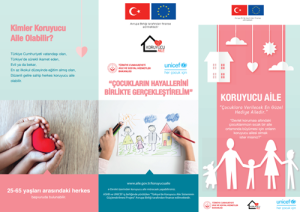
Audience: Adults/couples in Turkey eligible for foster parenting , Existing foster families, extended family members, caregivers, and prospective foster family supporters. , Social workers, child protection professionals, local Aile ve Sosyal Hizmetler (Family and Social Services) officials, NGOs, UNICEF partners, and policymakers
A Turkish brochure inviting families to become foster parents for children under state protection. It explains eligibility, why foster care supports children’s healthy psycho-social development, and how to apply via e-Devlet and provincial offices.
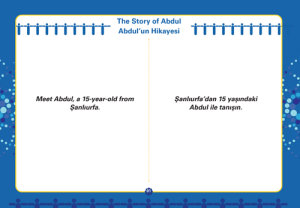
Audience: Adolescents , Parents/caregivers of adolescents , Teachers, school counselors, and community center facilitators/NGO staff supporting school integration and life-skills
Short, illustrated story card introduces Abdul, a 15-year-old in Şanlıurfa who wants to be a mechanic but struggles at school with language and confidence, prompting reflection on missing life skills.
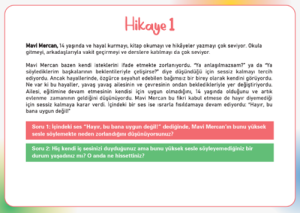
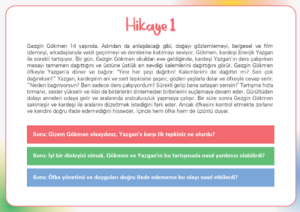
Audience: Adolescents , Facilitators/teachers/counsellors running life-skills/child-protection sessions , Parents/caregivers/community influencers
Storyboard discussion cards about a 14-year-old girl facing early marriage pressure, peer pressure, sibling conflict, online grooming risk, and future planning—designed for facilitated reflection and discussion
Audience: NGO/INGO field staff and partner implementers delivering services , Community members affected by the response (women/men/children/adolescents and persons/children with disabilities) as the intended beneficiaries of better AAP practice , Managers/supervisors/M&E or accountability teams who set up and monitor feedback mechanisms and participation processes
A guidance tip sheet for NGOs on applying AAP: provide clear information, enable inclusive participation, and run safe feedback/complaint mechanisms (including confidential channels for sensitive issues) in Türkiye response settings.
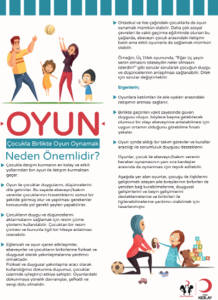
Audience: Parents/Caregivers , Children and adolescents , Facilitators/teachers/PSS staff
A family guide explaining why play improves communication and emotional development, and offering age-wise games (2–6, 6+, adolescents) and traditional/challenge activities to strengthen parent–child bonds.
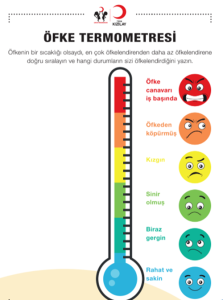
Audience: Adolescents , Facilitators/teachers/PSS staff , Parents/caregivers
A simple “anger thermometer” worksheet that asks children to list situations that make them angry and rank them by intensity from calm to “anger monster.”
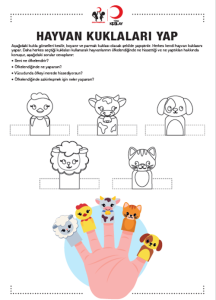
Audience: Children (6–12) , Facilitators/teachers/psychosocial support staff , Parents/caregivers
An activity handout where children make finger animal puppets and use them to discuss feelings and anger, identify triggers, body signals, reactions, and calming strategies.
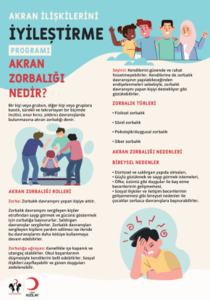
Audience: Parents/Caregivers , Children/adolescents (as potential victims, perpetrators, or bystanders—descriptions focus on children’s behaviours and experiences) , Wider community/authorities involved in reporting and response (police/prosecutor’s office, helpline, digital safety resources)
A seminar brochure explaining peer bullying (roles, types, causes, effects), how to distinguish bullying from jokes/conflict, warning signs, and steps for schools/families including cyberbullying reporting.
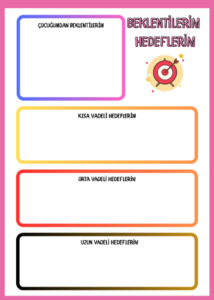
Audience: Individuals seeking personal or family-related goals , Support systems like family, friends, or mentors who may be helping with goal-setting or providing guidance , Broader audience such as community groups, counselors, or any external supporters
This document outlines personal expectations and goals in the short, medium, and long term, with a focus on expectations related to family and children.
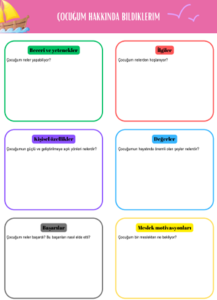
Audience: Parents/Caregivers , Career counselors, teachers, facilitators , Adolescents/children (indirect beneficiaries)
A parent-focused worksheet prompting reflection on a child’s skills, interests, values, achievements, personality traits, and career motivations to support informed educational and career guidance.