
Browse resources by the Social and Behaviour Change (SBC) level they target.
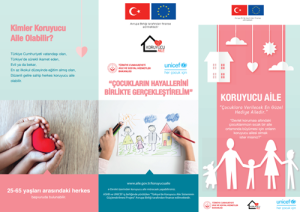
Audience: Adults/couples in Turkey eligible for foster parenting , Existing foster families, extended family members, caregivers, and prospective foster family supporters. , Social workers, child protection professionals, local Aile ve Sosyal Hizmetler (Family and Social Services) officials, NGOs, UNICEF partners, and policymakers
A Turkish brochure inviting families to become foster parents for children under state protection. It explains eligibility, why foster care supports children’s healthy psycho-social development, and how to apply via e-Devlet and provincial offices.
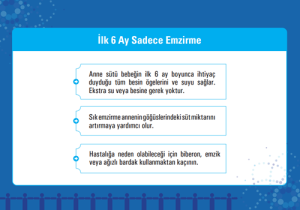
Audience: Pregnant women and mothers of infants (0-6 months) , Fathers/partners and close family members , Community health workers, midwives, nurses, and counselors
A set of Turkish counseling cards that explain exclusive breastfeeding for the first six months, feeding on demand and recognizing early hunger cues, and safe methods for expressing and storing breast milk.
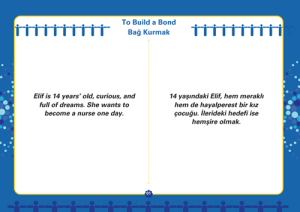
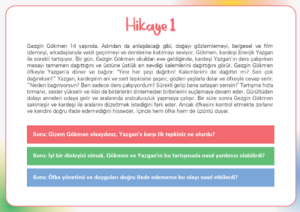
Audience: Parents/Caregivers , Educators and teachers , Adolescents
Illustrated story cards showcasing parents worried about their daughter's school skipping learn at a community meeting to listen without judgment- improving trust, safety, motivation, and attendance.
Audience: NGO/INGO field staff and partner implementers delivering services , Community members affected by the response (women/men/children/adolescents and persons/children with disabilities) as the intended beneficiaries of better AAP practice , Managers/supervisors/M&E or accountability teams who set up and monitor feedback mechanisms and participation processes
A guidance tip sheet for NGOs on applying AAP: provide clear information, enable inclusive participation, and run safe feedback/complaint mechanisms (including confidential channels for sensitive issues) in Türkiye response settings.
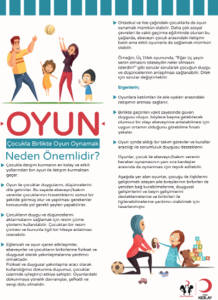
Audience: Parents/Caregivers , Children and adolescents , Facilitators/teachers/PSS staff
A family guide explaining why play improves communication and emotional development, and offering age-wise games (2–6, 6+, adolescents) and traditional/challenge activities to strengthen parent–child bonds.
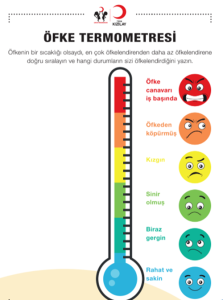
Audience: Adolescents , Facilitators/teachers/PSS staff , Parents/caregivers
A simple “anger thermometer” worksheet that asks children to list situations that make them angry and rank them by intensity from calm to “anger monster.”
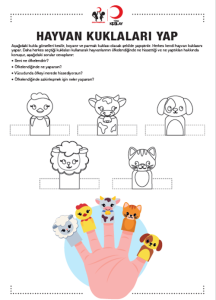
Audience: Children (6–12) , Facilitators/teachers/psychosocial support staff , Parents/caregivers
An activity handout where children make finger animal puppets and use them to discuss feelings and anger, identify triggers, body signals, reactions, and calming strategies.
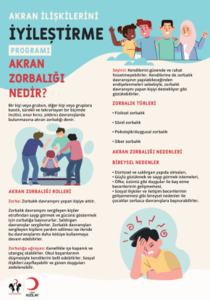
Audience: Parents/Caregivers , Children/adolescents (as potential victims, perpetrators, or bystanders—descriptions focus on children’s behaviours and experiences) , Wider community/authorities involved in reporting and response (police/prosecutor’s office, helpline, digital safety resources)
A seminar brochure explaining peer bullying (roles, types, causes, effects), how to distinguish bullying from jokes/conflict, warning signs, and steps for schools/families including cyberbullying reporting.
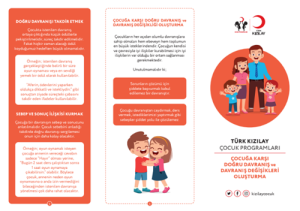
Audience: Parents/Caregivers , Children (indirect—examples show the child’s thoughts/learning from adult responses) , Practitioners who guide parents (e.g., child programme staff/community facilitators), and the wider community
A Turkish Red Crescent brochure guiding parents to build children’s positive behaviour through non-violent responses, clear explanations, small rewards, and adult role-modelling using simple parent–child examples.
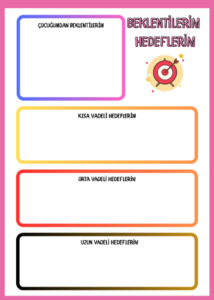
Audience: Individuals seeking personal or family-related goals , Support systems like family, friends, or mentors who may be helping with goal-setting or providing guidance , Broader audience such as community groups, counselors, or any external supporters
This document outlines personal expectations and goals in the short, medium, and long term, with a focus on expectations related to family and children.