
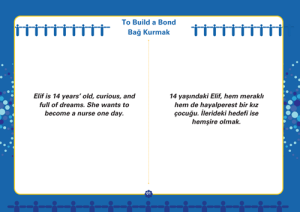
Audience: Parents/Caregivers , Educators and teachers , Adolescents
Illustrated story cards showcasing parents worried about their daughter's school skipping learn at a community meeting to listen without judgment- improving trust, safety, motivation, and attendance.
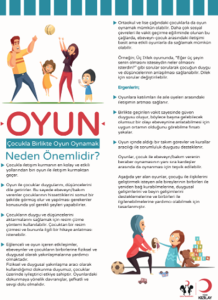
Audience: Parents/Caregivers , Children and adolescents , Facilitators/teachers/PSS staff
A family guide explaining why play improves communication and emotional development, and offering age-wise games (2–6, 6+, adolescents) and traditional/challenge activities to strengthen parent–child bonds.
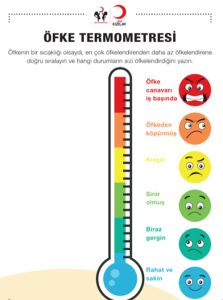
Audience: Adolescents , Facilitators/teachers/PSS staff , Parents/caregivers
A simple “anger thermometer” worksheet that asks children to list situations that make them angry and rank them by intensity from calm to “anger monster.”
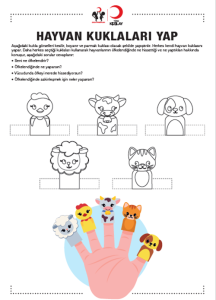
Audience: Children (6–12) , Facilitators/teachers/psychosocial support staff , Parents/caregivers
An activity handout where children make finger animal puppets and use them to discuss feelings and anger, identify triggers, body signals, reactions, and calming strategies.
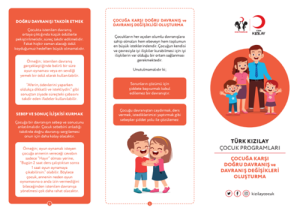
Audience: Parents/Caregivers , Children (indirect—examples show the child’s thoughts/learning from adult responses) , Practitioners who guide parents (e.g., child programme staff/community facilitators), and the wider community
A Turkish Red Crescent brochure guiding parents to build children’s positive behaviour through non-violent responses, clear explanations, small rewards, and adult role-modelling using simple parent–child examples.
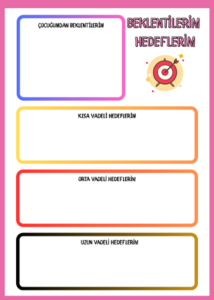
Audience: Individuals seeking personal or family-related goals , Support systems like family, friends, or mentors who may be helping with goal-setting or providing guidance , Broader audience such as community groups, counselors, or any external supporters
This document outlines personal expectations and goals in the short, medium, and long term, with a focus on expectations related to family and children.
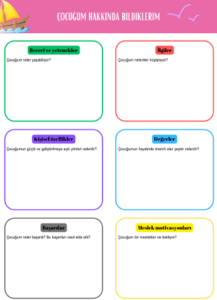
Audience: Parents/Caregivers , Career counselors, teachers, facilitators , Adolescents/children (indirect beneficiaries)
A parent-focused worksheet prompting reflection on a child’s skills, interests, values, achievements, personality traits, and career motivations to support informed educational and career guidance.
Audience: Parents/Caregivers , Child psychologists, educators, pediatricians , General public, social workers, and organizations
A UNICEF Belarus booklet that explains why children lie, the psychological and developmental reasons behind lying, and offers practical guidance for parents on how to handle and address lying behaviors in children.
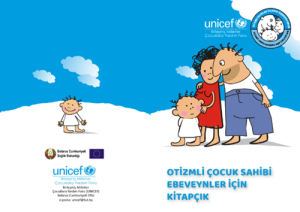
Audience: Parents/Caregivers , Extended family members and caregivers who are part of the child’s immediate environment , Educators, kindergarten staff, and professionals who may collaborate with families in supporting children with ASD
A 20 page practical guidance booklet for parents of children with autism, covering diagnosis, treatment options, educational integration, family challenges, and strategies for effective communication and home-based support
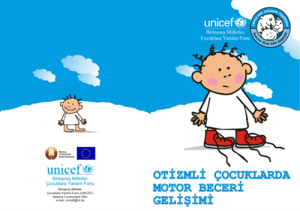
Audience: Special educators/defectologists, occupational/physio therapists, adaptive physical education teachers working with children with autism , Parents/caregivers of children with autism who are being coached to practice these routines at home , School/centre managers and program coordinators planning structured sessions and resources for adaptive PE/rehabilitation.
A 6 page guidance note on improving motor and fine-motor skills in children with autism using imitation training, instruction-following steps, structured routines, reinforcement, and recommended physical activities.