
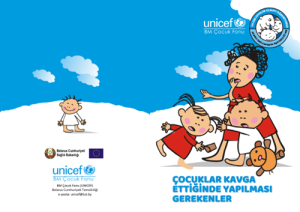
Audience: Parents/Caregivers , Educators, child psychologists, pediatricians, and other professionals , General public, social workers, and policymakers
This material provides parents with guidance on handling conflicts between children, emphasizing empathy, understanding emotions, promoting non-violent communication, and fostering conflict resolution skills through play and healthy family dynamics.
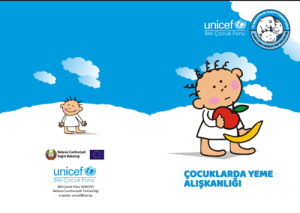
Audience: Parents/Caregivers , Pediatricians, child nutritionists, educators, and child psychologists , General public, policymakers, and organizations focused on child development
The material discusses how to develop healthy eating habits in children, emphasizing the role of family, emotional influences, and avoiding overeating or restrictive behaviors that could lead to eating disorders.
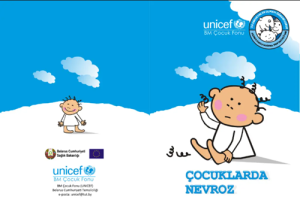
Audience: Parents/Caregivers , Child psychologists/ pediatricians/ healthcare providers , General public/ child development specialists/ and policymakers
The material discusses different types of neurosis in children, explaining symptoms, causes, and psychological defense mechanisms. It also provides recommendations for prevention and how to address these issues in children.
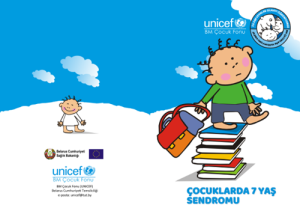
Audience: Parents/Caregivers , Child psychologists, pediatricians, and child development specialists , General public, policymakers, and educational institutions focusing on child development and psychological growth.
This material describes the emotional and developmental shifts children experience around age 7, highlighting changes in self-esteem, social roles, and gender identity, providing guidance for parents and educators.
Audience: Parents/Caregivers , Healthcare providers/ family members/ social workers involved in the care and well-being of sick children , General public/ educators/ organizations focusing on child development
The material provides guidance to parents on how to cope with raising a sick child, offering advice on emotional responses, family dynamics, and how to manage the child’s development effectively.
Audience: Parents/Caregivers , Pediatricians, child development specialists, early childhood educators , General public, policymakers, or organizations focused on early childhood education/ child development
This material provides advice for parents on toilet training, emphasizing patience, understanding developmental differences, and creating a positive, non-judgmental environment to help children learn toilet habits effectively.
Audience: Parents/Caregivers , Fathers, grandparents, family members , ECD practitioners, childcare providers, and parenting educators
A UNICEF Belarus parenting booklet that explains common reasons babies cry (hunger, pain, over-stimulation, need for contact, colic) and gives simple, practical advice to soothe babies and respond calmly.
Audience: Parents/Caregivers , Healthcare professionals/educators working with children with disabilities , General public/ policymakers involved in disability rights and child welfare
This material provides guidance and support for parents of children with cerebral palsy, focusing on strategies to encourage independence, maintain health, and foster emotional well-being for both child and family.
Audience: Parents/Caregivers , Pediatricians, psychologists, educators, and childcare workers , General public or those involved in child development and healthcare policies.
The material provides guidance for parents and caregivers on understanding, addressing, and preventing common behavioral issues (bad habits) in preschool-aged children, such as thumb-sucking, nail-biting, and masturbation.
Audience: Parents/Caregivers , Pediatricians/ pediatric neurologists/ psychologists/ other healthcare professionals , Teachers/ caregivers, and early childhood educators .
The material educates parents on recognizing and managing early childhood nervousness syndrome (neuropathy), offering guidance on creating a supportive home environment to help the child manage symptoms and emotional health.