
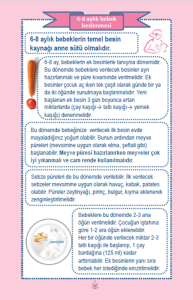
Audience: Parents/Caregivers , Healthcare professionals/ pediatricians/ dietitians , Public health organizations/ early childhood educators/ researchers
It is a 2 page leaflet aimed at helping caregivers adopt the right feeding practices for 6-8 month old babies.
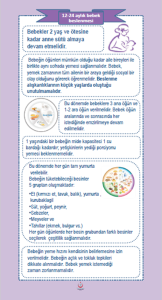
Audience: Parents/Caregivers , Healthcare professionals/ pediatricians/ dietitians , Public health organizations/ early childhood educators/ researchers
It is a 2 page leaflet aimed at helping caregivers provide proper nutrition, establish healthy eating habits, and support early development to their 1-2 year old infants.
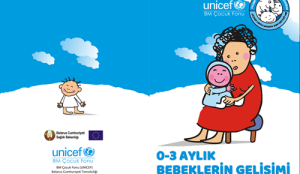
Audience: Parents, Caregivers , Healthcare professionals, Pediatricians , Programme/system-level stakeholders who support early childhood and developmental monitoring
A UNICEF and Belarus Ministry of Health illustrated handout for parents/caregivers of 0–3 month-old babies, covering early visual, hearing, emotional, communication and motor development, along with risk factors and warning signs.
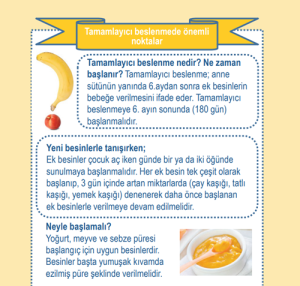
Audience: Parents/Caregivers , Healthcare professionals/ pediatricians/ dietitians , public health organizations/ early childhood educators/ researchers
A two-page leaflet guiding caregivers on complementary feeding for children aged 0–24 months, covering meal portions, frequency, age-specific food charts, nutrition needs, hygiene, preparation practices, and food safety guidelines.
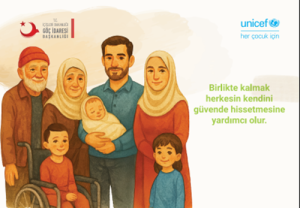
Audience: Parents/Caregivers , Children, including children with disabilities , NGO staff, child protection workers, legal aid/immigration support providers.
Parenting tip cards guiding families in emergencies/return journeys on safety, documentation, routines, emotional support, caregiving, child protection, disability-sensitive care, and continued learning.
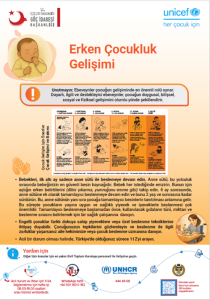
Audience: Parents/Caregivers , Children (indirect) , Health workers, NGO staff, early childhood facilitators.
A poster providing caregivers with guidance on breastfeeding, feeding practices, play, communication, and age-wise activities to support children’s early development during and after return journeys.
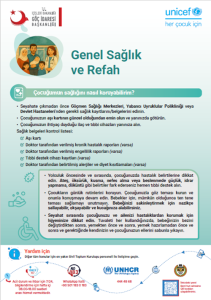
Audience: Parents/Caregivers , Children (indirect beneficiaries) , Health workers, NGO staff, migration support staff.
A health-focused poster guiding families to protect children’s health during travel through vaccination, hygiene, medical preparedness, symptom recognition, and maintaining routines.
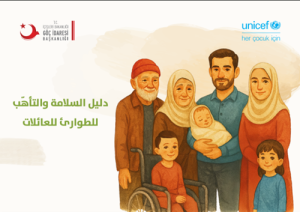
Audience: Parents/Caregivers , Children, including children with disabilities , NGO staff, child protection workers, legal aid/immigration support providers.
Parenting tip cards guiding families in emergencies/return journeys on safety, documentation, routines, emotional support, caregiving, child protection, disability-sensitive care, and continued learning
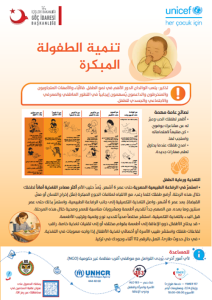
Audience: Parents/Caregivers , Children (indirect) , Health workers, NGO staff, early childhood facilitators.
A poster providing caregivers with guidance on breastfeeding, feeding practices, play, communication, and age-wise activities to support children’s early development during and after return journeys.
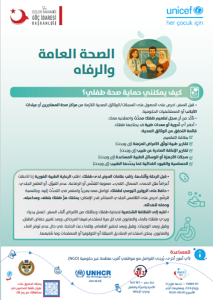
Audience: Parents/Caregivers , Children (indirect beneficiaries) , Health workers, NGO staff, migration support staff.
A health-focused poster guiding families to protect children’s health during travel through vaccination, hygiene, medical preparedness, symptom recognition, and maintaining routines.