
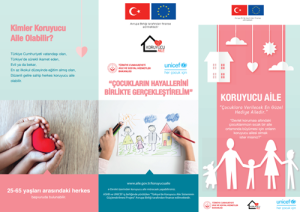
Audience: Adults/couples in Turkey eligible for foster parenting , Existing foster families, extended family members, caregivers, and prospective foster family supporters. , Social workers, child protection professionals, local Aile ve Sosyal Hizmetler (Family and Social Services) officials, NGOs, UNICEF partners, and policymakers
A Turkish brochure inviting families to become foster parents for children under state protection. It explains eligibility, why foster care supports children’s healthy psycho-social development, and how to apply via e-Devlet and provincial offices.
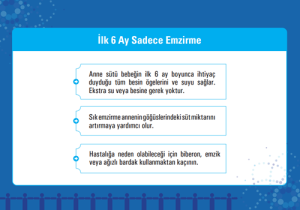
Audience: Pregnant women and mothers of infants (0-6 months) , Fathers/partners and close family members , Community health workers, midwives, nurses, and counselors
A set of Turkish counseling cards that explain exclusive breastfeeding for the first six months, feeding on demand and recognizing early hunger cues, and safe methods for expressing and storing breast milk.
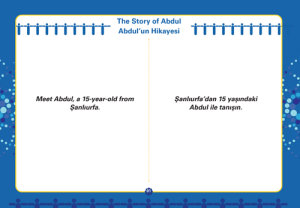
Audience: Adolescents , Parents/caregivers of adolescents , Teachers, school counselors, and community center facilitators/NGO staff supporting school integration and life-skills
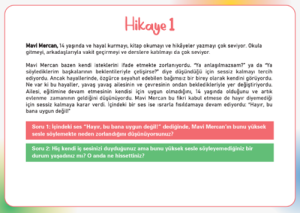
Short, illustrated story card introduces Abdul, a 15-year-old in Şanlıurfa who wants to be a mechanic but struggles at school with language and confidence, prompting reflection on missing life skills.
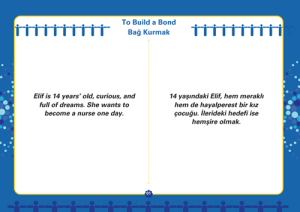
Audience: Parents/Caregivers , Educators and teachers , Adolescents
Illustrated story cards showcasing parents worried about their daughter's school skipping learn at a community meeting to listen without judgment- improving trust, safety, motivation, and attendance.
Audience: Adolescents , Facilitators/teachers/counsellors running life-skills/child-protection sessions , Parents/caregivers/community influencers
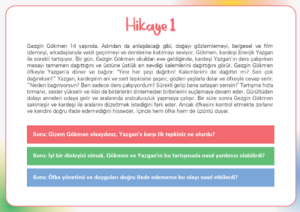
Storyboard discussion cards about a 14-year-old girl facing early marriage pressure, peer pressure, sibling conflict, online grooming risk, and future planning—designed for facilitated reflection and discussion
Audience: NGO/INGO field staff and partner implementers delivering services , Community members affected by the response (women/men/children/adolescents and persons/children with disabilities) as the intended beneficiaries of better AAP practice , Managers/supervisors/M&E or accountability teams who set up and monitor feedback mechanisms and participation processes
A guidance tip sheet for NGOs on applying AAP: provide clear information, enable inclusive participation, and run safe feedback/complaint mechanisms (including confidential channels for sensitive issues) in Türkiye response settings.
Audience: Parents/Caregivers , Community members affected by the earthquake/displacement in the Container City area, including Arabic-speaking families (same message in Turkish and Arabic) , Local service providers/community mobilizers (municipality/UNICEF partners) who can refer families to enroll
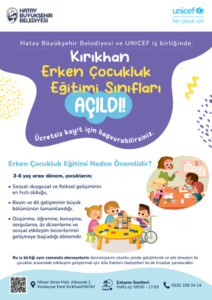
A bilingual (Turkish–Arabic) brochure announcing free registration for UNICEF–Hatay Municipality early childhood education classes in Kırıkhan, with hours, location, phone number, and key benefits for ages 3–6.
Audience: Parents/Caregivers , Children and adolescents , Facilitators/teachers/PSS staff
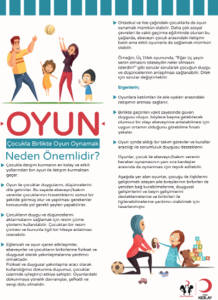
A family guide explaining why play improves communication and emotional development, and offering age-wise games (2–6, 6+, adolescents) and traditional/challenge activities to strengthen parent–child bonds.
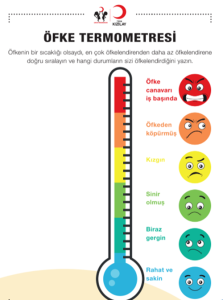
Audience: Adolescents , Facilitators/teachers/PSS staff , Parents/caregivers
A simple “anger thermometer” worksheet that asks children to list situations that make them angry and rank them by intensity from calm to “anger monster.”
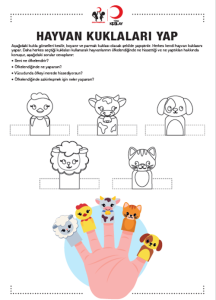
Audience: Children (6–12) , Facilitators/teachers/psychosocial support staff , Parents/caregivers
An activity handout where children make finger animal puppets and use them to discuss feelings and anger, identify triggers, body signals, reactions, and calming strategies.