

Audience: Adolescents , Educators, facilitators, and social workers , Parents or community leaders
An educational toolkit designed to engage children or youth in activities that promote positive behaviors, emotional intelligence, and awareness about social issues like bullying, privacy, and respectful communication.

Audience: Adolescents , Facilitators, educators, and youth leaders , Parents or community members
This is a game based tool kit which includes interactive group tasks designed to address gender roles, healthy relationships, and social justice. It promotes awareness, communication skills, and behavior change through role-play and discussion.

Audience: Children (6–12) , Facilitators, educators, or youth leaders , Parents or community members
This is an educational tool kit that includes a series of group activities and tasks designed to encourage positive communication, teamwork, and the promotion of gender equality, love, and self-expression.
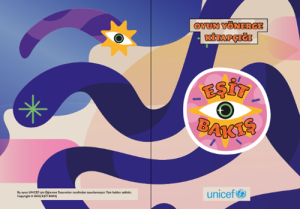
Audience: Children (6–12) , Facilitators, educators, and youth leaders , Parents and community members
This is an interactive educational game designed to increase awareness and understanding of gender equality, peer communication, and gender-based violence among children and youth through interactive group activities.
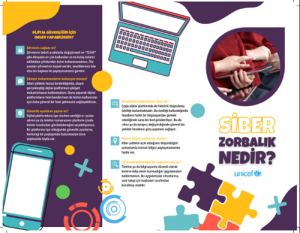
Audience: Children (6–12) , Parents, caregivers, and educators , Digital platform developers, policymakers, and advocates working on digital safety
This informative guide provides guidance on digital security measures, explains cyberbullying, and offers advice on how to protect oneself from online harassment, with a focus on the safety of women and children.
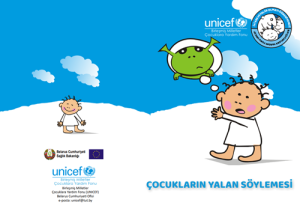
Audience: Parents/Caregivers , Child psychologists, educators, pediatricians , General public, social workers, and organizations
A UNICEF Belarus booklet that explains why children lie, the psychological and developmental reasons behind lying, and offers practical guidance for parents on how to handle and address lying behaviors in children.
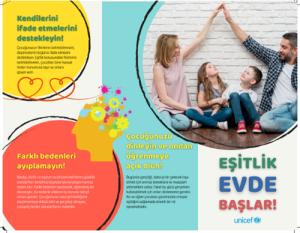
Audience: Parents/Caregivers , Educators and social workers who interact with children and families , Broader community stakeholders like policymakers, activists, and media personnel involved in gender equality awareness
This educational brochure emphasizes the importance of promoting gender equality and inclusivity at home, with practical tips for parents to engage their children in discussions around equality and breaking gender stereotypes.
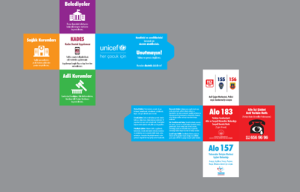
Audience: Individuals affected by domestic violence, including women, children, and vulnerable populations, who need information on how to access emergency services and support. , Social workers, healthcare professionals, law enforcement, and counselors , Community organizations, NGOs, and government bodies working on domestic violence prevention, gender-based violence, and family protection
An infographic that provides information on available resources and emergency contacts for victims of domestic violence in Turkey, including hotlines, government services, and mobile apps for immediate support.
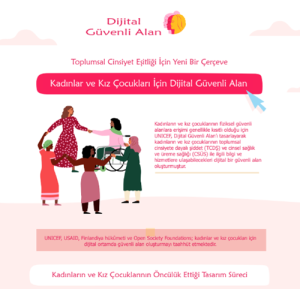
Audience: Women and girls who are experiencing or at risk of gender-based violence (GBV) or who need sexual and reproductive health (SRH) information and services. , Healthcare providers, social workers, gender-based violence support professionals, and educators who can use Laaha to refer clients or offer services , NGOs, government agencies, and policymakers involved in gender equality, digital rights, and humanitarian efforts
Laaha is a digital platform designed to provide women and girls with access to GBV support, SRH information, and resources. It features a chatbot, user forums, and multiple languages.
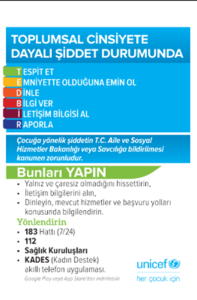
Audience: Individuals who may encounter gender-based violence cases and those who need guidance on how to respond , Professionals in social services, healthcare providers, and law enforcement who interact with victims or handle cases of GBV , Organizations working on gender equality, domestic violence prevention, and victim support services
A practical guide for responding to gender-based violence, outlining the actions to take, how to communicate with victims, and which resources and support services are available, while also emphasizing what not to do